How to layer perfume: Create Your Signature Scent
Perfume layering means combining two or more compatible scents to create a personal fragrance. The easiest method is to start with a neutral or matching body product, add one main perfume, and finish with a lighter accent or perfume oil. This guide covers choosing compatible notes, knowing which fragrance goes first, using perfume oil for layering, and avoiding heavy or clashing combinations.
What Is Perfume Layering?
Layering can mean pairing body lotion with perfume, body mist with perfume, two perfumes together, or perfume oil with a spray fragrance. It isn't mixing bottles into one; each product stays separate and gets applied in stages. It's one of the simplest ways to make your own scent and make your own perfume without formulating anything from scratch.
How to Layer Fragrances: The Basic Order
-
Start with clean skin. Apply fragrance after bathing and drying off.
-
Add a neutral or matching moisturizer. This gives fragrance a comfortable base to sit on.
-
Apply the lighter fragrance. Start with body mist or a fresh spray.
-
Add the main perfume. Use the scent you want people to notice most.
-
Finish with perfume oil if needed. A small amount on pulse points adds a closer, longer-wearing layer.
-
Wait before adding more. Give each layer time to settle before judging the result.
Fragrance professionals assess a blend after the dry-down, not just after the first spray, since top notes fade first while heart and base notes develop later. Scent can shift over 20–30 minutes, so don't judge a combination right away.
For more ways to extend fragrance wear, read our perfume longevity hacks.
How to Choose Scents That Work Together
- Layer within one fragrance family:Citrus with citrus, floral with soft musk, vanilla with amber, woody with spicy; staying in one family keeps things cohesive.
- Pair one fresh note with one deep note:Citrus, green, or aquatic notes paired with woods, amber, musk, or vanilla create contrast without tipping into heavy.
- Build around one favorite note:Pick a note as the center of the scent, then add products that support it. It's a practical way to make your own scent without juggling too many fragrances at once.
These families are guides, not fixed rules; skin chemistry and formula can still change the result.
Perfume Oil for Layering
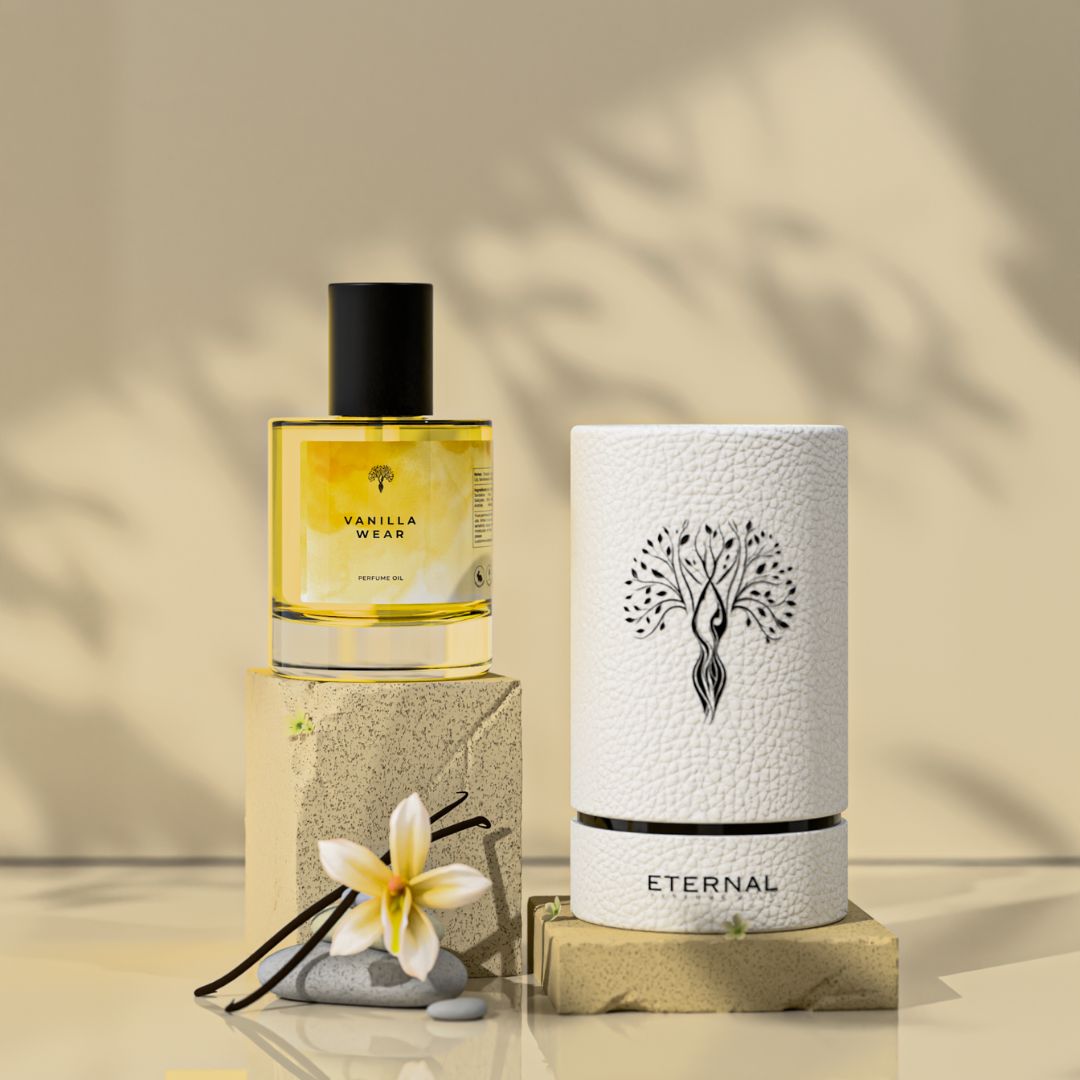
Yes, you can layer perfume oil with perfume. It works well as a base under spray perfume, on pulse points after a lighter body mist, as a final close-to-skin layer, or worn alone for a softer scent trail. Start with one spray fragrance and one perfume oil; stacking too many concentrated products tends to feel heavy rather than refined.
Perfume oils are concentrated and alcohol-free, but they often project more softly than sprays; longer wear and stronger projection aren't the same thing.
Create Your Personal ScentStart your layering routine with a Sample Pack, the easiest way to test combinations before committing to full-size scents. |
5 Layering Hacks One Should Know
Layering perfumes can be a bit tricky for a complete beginner. Follow these tips below to make the most of your fragrance layering process.
|
Hack |
How to Use It |
|
Test on paper first |
Try combinations on scent strips before applying to skin. |
|
Test on different wrists |
Apply one blend per wrist and compare the dry-down. |
|
Wait between layers |
Give each product time to settle before adding another. |
|
Use an unscented base |
Choose neutral lotion when the scents already have strong notes. |
|
Keep one scent dominant |
Let one fragrance lead while the others support it. |
Two layers are plenty for beginners. Three can work once you've found combinations that are light and compatible.
How to Know if Fragrances Clash
A combination usually feels off when both scents are very sweet, both carry strong smoky or spicy notes, one fragrance overwhelms the other, or the blend turns sharp after dry-down. If that happens, remove one layer and test again, using a clean, unscented moisturizer as a reset.
How to Layer Perfume for Different Occasions
-
Work: one light perfume with clean or soft notes.
-
Summer: citrus, aquatic, green, or floral scents.
-
Evening: amber, vanilla, woods, musk, or spice.
-
Travel: one sample or perfume oil in a compact format.
-
Close spaces: keep projection soft, use less product.
Readers shopping in the UK can also browse luxury-inspired fragrance collections for UK scent lovers.
Common Questions
1. Can I layer fragrances from different brands?
Yes. Focus on compatible notes rather than matching brand names.
2. How many fragrances should I layer?
Start with two products, add a third only once that combination feels balanced.
3. How long should I wait between layers?
A few minutes, then reassess once the fragrance begins to dry down.
4. Does layering make perfume last longer?
It can, especially with moisturizer or perfume oil in the routine, though results still depend on the formula and skin.
Create Your Signature Scent
The best layering routine starts small. Just pick one main scent, add a compatible base, and test the combination before wearing it for a full day. Curious about lighter formats or concentration levels? See Perfume vs. Body Mist and Parfum vs Eau de Parfum vs Eau de Toilette.
Ready to build a scent that feels like yours? Try an Eternal Perfume Oils Sample Pack and start layering.