Why do we smell so bad?
Everyone deals with body odor, but understanding why it happens helps you manage it better.
The truth is, sweat itself doesn't smell. Body odor happens when bacteria on your skin break down proteins in sweat into acids, creating that unmistakable scent.
Here's what causes body odor, what makes it worse, and how to get rid of it.
Causes of Body Odor
Body odor comes from bacteria and sweat on your skin. Your skin is naturally covered with bacteria, and when you sweat, the water, salt, and fat mix with these bacteria to create an odor.
Sweat itself is odorless. The smell comes from how the bacteria on your skin interact with your sweat. This is why someone can have a strong body odor without sweating much, or sweat heavily without smelling bad.
The Role of Sweat Glands
Your body has two types of sweat glands:
-
Eccrine glands: Cover most of your body, including palms and soles. They produce odorless sweat that cools you down and don't contribute to body odor.
-
Apocrine glands: Found in hair follicles on the scalp, armpits, and groin. These produce sweat that contains fats and compounds, which bacteria convert into odor. They don't activate until puberty, which is why young children don't have body odor.
An Interesting Read: Perfume vs. Body Mist: What's the Difference?
What Makes Body Odor Worse?
Several factors can make body odor more noticeable or unpleasant.
Foods You Eat
Certain foods can make your sweat smell stronger. Sulfur-rich foods like onions, garlic, cabbage, broccoli, cauliflower, and red meat can cause a rotten egg-like smell when secreted through sweat.
Other foods like MSG, caffeine, spicy foods, alcohol, and certain spices like cumin and curry powder can make you sweat more, which amplifies body odor.
Hormonal Changes
Hormonal fluctuations during puberty, menopause, pregnancy, or menstruation can change body odor. Hot flashes and night sweats during menopause increase sweating, which leads to stronger body odor.
Stress and Anxiety
Stress activates your apocrine glands, which produce the sweat that mixes with bacteria to create odor. Finding ways to reduce stress can help minimize body odor.
Relevant Reading: Aromatherapy with Perfume Oils & How Scents Improve Your Mood
Medical Conditions
Certain conditions like diabetes, gout, menopause, overactive thyroid, liver disease, kidney disease, and infections can change your body scent. If you notice a fruity odor, it could indicate diabetes-related ketoacidosis. A bleach-like smell may signal liver or kidney disease.
Genetics and Body Weight
Genetics and having overweight or obesity can make you more susceptible to body odor. Males tend to have more frequent body odor issues because they have more hair, which means more apocrine glands.
Medications
Several groups of drugs can produce body odor by causing increased sweating, including antidepressants, NSAIDs, analgesics like codeine, omega-3 supplements, and certain seizure medications.
How to Get Rid of Body Odor
Managing body odor comes down to good hygiene and smart lifestyle choices.
Practice Good Hygiene
-
Shower daily with antibacterial soap or benzoyl peroxide body wash, focusing on areas where you sweat most, like armpits and groin
-
Shower immediately after exercise or sweating
-
Keep armpits shaved or trimmed so sweat evaporates quickly and doesn't interact with bacteria as long
-
Wash clothing regularly and wear clean clothes
-
Wear loose-fitting cotton, linen, or silk clothing that lets your skin breathe instead of synthetic fabrics like polyester or rayon that trap moisture
Use the Right Products
-
Apply antiperspirant (not just deodorant) after showering and before bed on dry skin
-
Look for products with aluminum as the active ingredient
-
If over-the-counter options don't work, ask your doctor about prescription-strength antiperspirant
Adjust Your Diet
-
Reduce sulfur-rich foods like garlic, onions, and red meat
-
Cut back on caffeine, alcohol, and spicy foods that increase sweating
-
Pay attention to which foods make your body odor worse and adjust accordingly
Try Natural Remedies
-
aking soda: Make a paste with water, apply to armpits, let dry. Balances skin acid and reduces odor
-
Green tea: Place soaked tea bags under arms for several minutes daily to block pores and reduce sweating
-
Apple cider vinegar: Mix with water in a spray bottle, apply to armpits. The acid kills bacteria
-
Lemon juice: Mix with water in a spray bottle. Apply under arms. Citric acid kills bacteria
Also Read: How to Choose Perfume Oils That Support Your Wellness Goals
When to See a Doctor
See a healthcare provider if you have frequent sweating that interferes with daily life, sweat while sleeping, or notice a sudden change in body odor. A fruity or bleach-like smell can signal an underlying condition like diabetes, liver, or kidney disease.
How Perfume Can Help Mask Body Odor
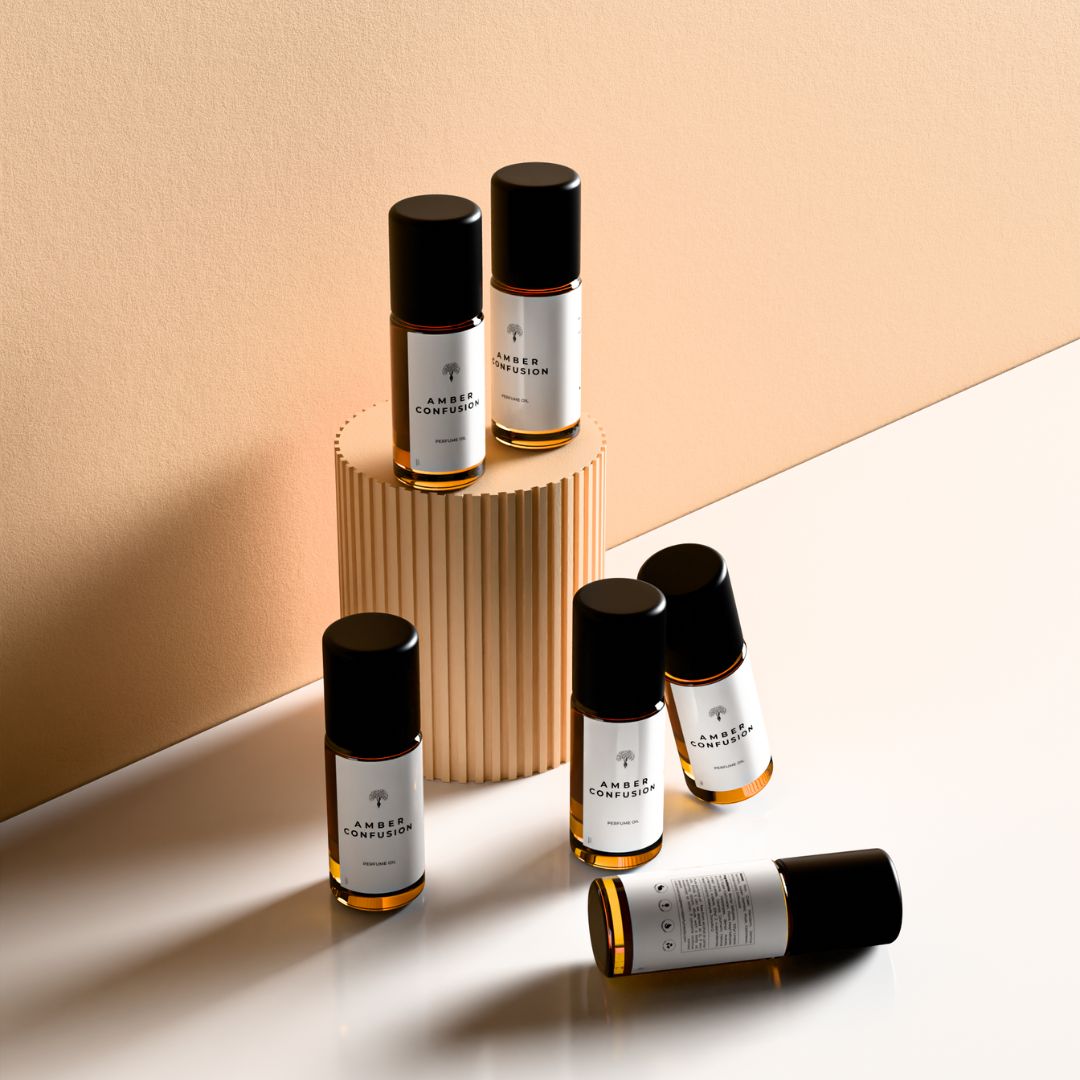
While perfume doesn't eliminate body odor, it can help mask unpleasant smells with a more pleasant fragrance. Choosing the right scent can boost your confidence and keep you feeling fresh throughout the day. Alcohol-free perfume oils are a great option since they're gentler on sensitive skin and last longer than alcohol-based sprays. Apply to pulse points like wrists and neck for all-day freshness.
|
Looking for a fragrance that keeps you feeling fresh all day? Explore Eternal Perfume Oils' collection of alcohol-free, long-lasting perfume oils. |
Frequently Asked Questions
Why do I smell bad even with good hygiene?
Body odor can persist despite good hygiene due to genetics, diet, hormonal changes, medications, or underlying medical conditions. Sweat itself is odorless, but bacteria on your skin mix with it to create odor.
How do I get rid of body odor naturally?
Try natural remedies like baking soda paste, green tea bags, apple cider vinegar spray, or lemon juice spray. These can help balance skin pH and kill odor-causing bacteria.
What's the difference between deodorant and antiperspirant?
Deodorant masks body odor with fragrance. Antiperspirant reduces how much you sweat. For best results, use an antiperspirant with aluminum as the active ingredient.
Can certain foods make body odor worse?
Yes, sulfur-rich foods like garlic, onions, and red meat can make sweat smell stronger. Caffeine, alcohol, and spicy foods can also increase sweating and amplify body odor.
The Bottom Line on Body Odor
Body odor is a natural part of being human, caused by bacteria mixing with sweat on your skin. While it can be embarrassing, understanding the causes helps you manage it effectively.
Good hygiene, the right products, dietary adjustments, and natural remedies can all help reduce body odor. And when you need a little extra confidence, a quality perfume can help mask any lingering scent.
Relevant Reading: The Benefits of Organic Ingredients in Perfume Oils